
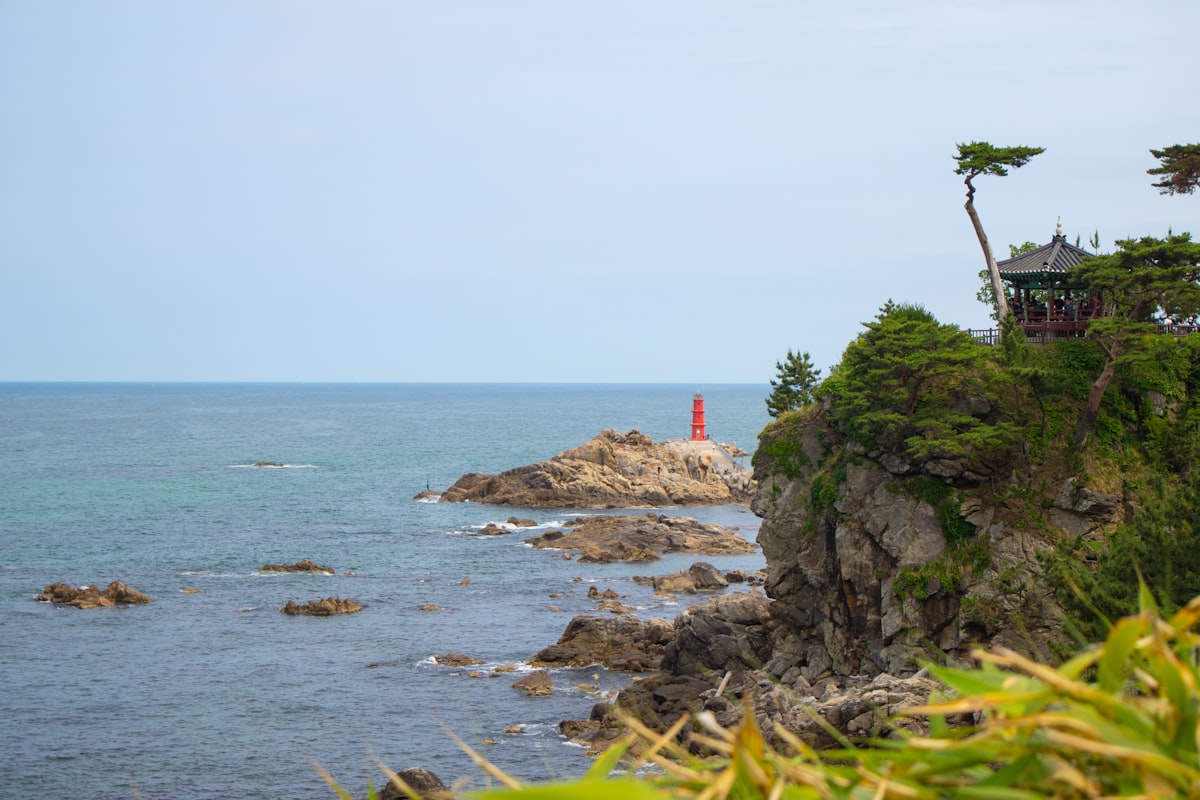
Photo by yeojin yun on Unsplash
This guide was curated from 5 Korean-language blog posts, 5 YouTube videos, and 4 photographs, then reimagined for international travelers. Full attributions are listed at the bottom of this article.
Say “Yangyang” to most Koreans and the first image that comes to mind is surfing. That’s fair enough. When Surfyy Beach (서피비치) opened in 2015, Yangyang became the birthplace of Korea’s surf culture, and every summer the beaches fill with young travelers clutching boards under their arms. But the real magic of Yangyang lies beyond the waves. There is Naksansa (낙산사), a thousand-year-old temple founded by the Silla-dynasty monk Uisang. There is Hajodae (하조대), where a windswept pine tree has become an icon of the Korean national anthem. There is Osaek Jujeon Valley (오색주전골), a hiking trail that blazes with autumn color along the southern edge of Seoraksan National Park. And there are bowls of jjaebokguk (째복국, clam soup made from the East Sea’s native silk clams) and gomchiguk (곰치국, spiny-head sculpin soup) that you simply cannot find anywhere else. Yangyang is a city too deep to be summed up by surfing alone.
In March 2025, the Gangwon Tourism Foundation named Yangyang one of its recommended destinations for April as part of the “2025-2026 Visit Gangwon Year” campaign — official recognition that Yangyang is a four-season destination, not just a summer surf spot.
Video: “Yangyang = Surfing? No! Best 7 things to do in Yangyang besides surfing” by Unknown
1. Ancient Temples and East Sea Panoramas
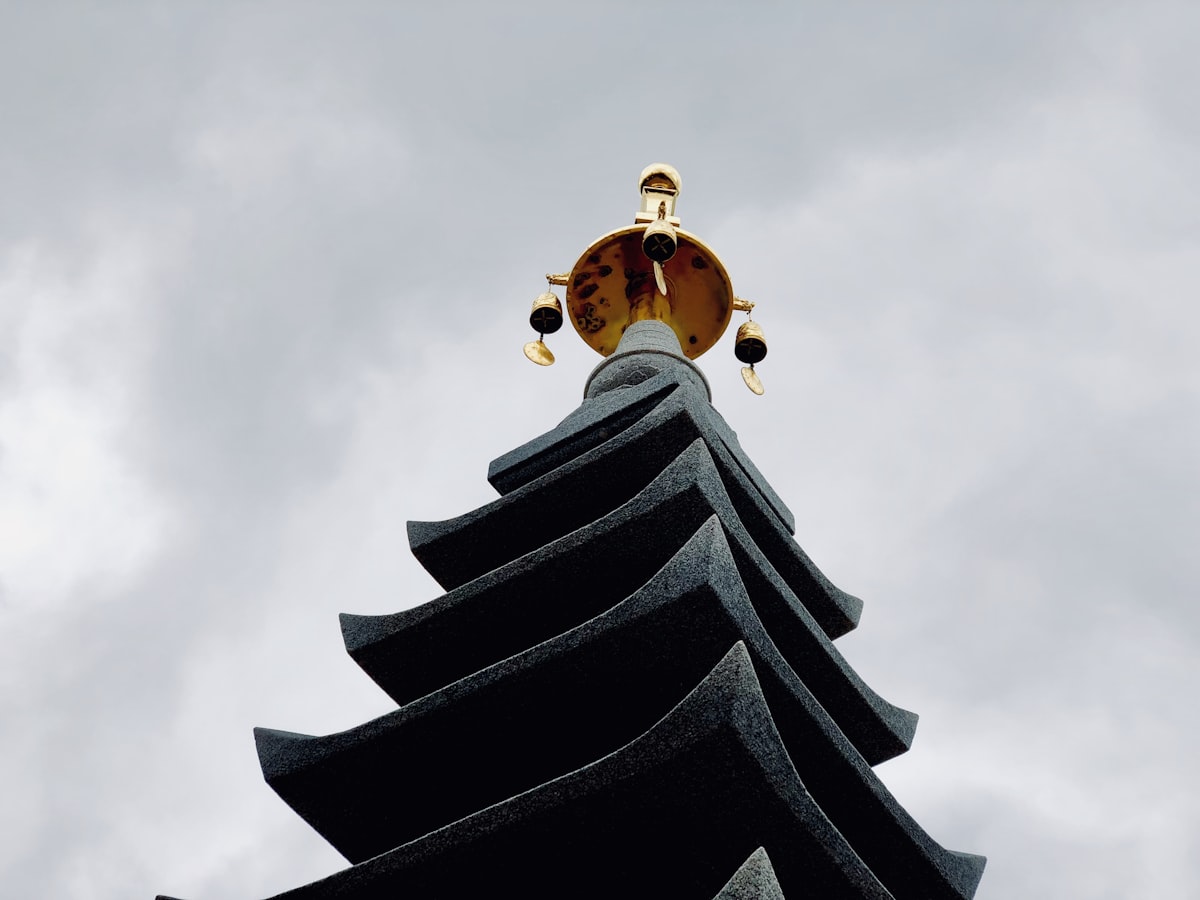
Photo by Clark Gu on Unsplash
Yangyang’s natural and cultural heritage is unmatched among East Sea cities. Few places in Korea offer ocean, mountains, and ancient temples within a single landscape.
Naksansa (낙산사, a Buddhist temple founded in 671 AD) is the first stop on any Yangyang itinerary. The Silla-era monk Uisang (의상대사) built it after a vision of the Bodhisattva of Mercy, and the clifftop pavilion Uisangdae (의상대) — one of the famed Gwandong Palgyeong (관동팔경, the “Eight Views of the Eastern Passes”) — offers one of Korea’s most celebrated sunrise viewpoints over the East Sea. A devastating wildfire in 2005 caused severe damage, but the temple has been meticulously restored and now welcomes visitors with an even more refined beauty. Standing before the Haesugwaneumsang (해수관음상, the Sea-Viewing Goddess of Mercy statue) and gazing at the horizon is one of Yangyang’s most quietly moving moments.
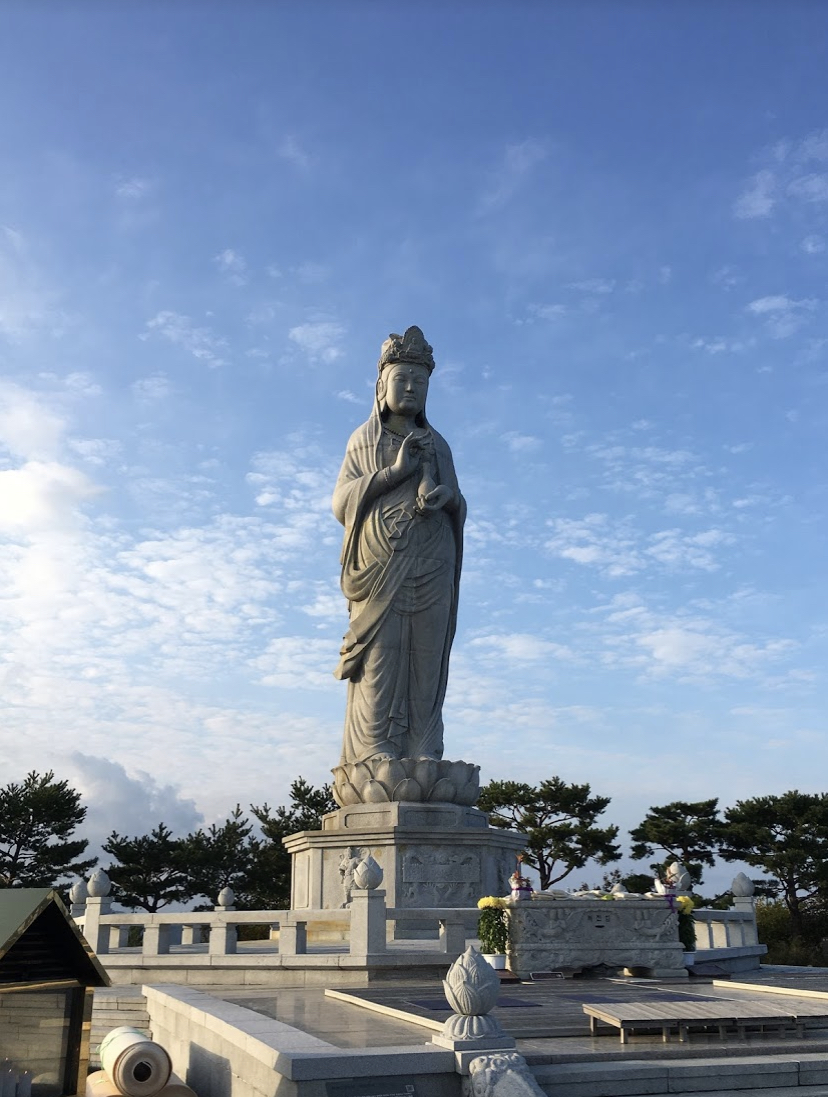
ⓒ Choy (CC BY-SA 4.0, Wikimedia Commons)
Video: “Yangyang Naksansa healing trip — must-visit spots with the best views” by Unknown
Hajodae (하조대) is a scenic bluff steeped in legend — named after the Joseon dynasty officials Ha Ryun (하륜) and Jo Jun (조준), who are said to have retreated here in seclusion. The pine tree perched on the rocky cliff was used as the backdrop for Korea’s national anthem video, earning it the nickname “the Aegukga Pine.” A recently installed glass skywalk lets you watch waves crash directly beneath your feet.
Hyuhyuam (휴휴암) is a tiny hermitage nestled among wave-carved sea rocks. One formation resembles a reclining Buddha — locals call it wabul bawi (와불 바위, the “Sleeping Buddha Rock”) — and on clear days you can spot schools of fish swimming through the water below.
Osaek Jujeon Valley (오색주전골) is a hiking trail at the southern entrance of Seoraksan National Park (설악산국립공원). The round-trip trek takes about two hours. In autumn, the valley erupts in color, drawing photographers from across the country. Summer brings cool mountain breezes, and winter drapes the canyon in snow — each season has its own distinct appeal.
💡 Local Tip (via “GoWhere”‘s blog): Visit Naksansa at sunrise. The Uisangdae pavilion faces due east over the sea, and it takes about 15 minutes to walk from the parking lot — arrive 30 minutes before sunrise to secure a spot.
2. The Flavors of Yangyang
Yangyang sits at the crossroads of East Sea seafood and Gangwon-do mountain ingredients. From buckwheat noodles to pine mushroom hotpot, the tastes of both ocean and mountain converge in one small city.
Makguksu and Memil-guksu — Yangyang’s Soul Food
No trip to Gangwon-do is complete without makguksu (막국수, cold buckwheat noodles served in chilled radish-water broth), and Yangyang can fairly claim to be its hometown.
- Yangyang-myeonok (양양면옥) — A long-established noodle house near the Yangyang county office. Mul-makguksu (물막국수, buckwheat noodles in chilled broth) is 10,000 KRW (~$7 USD) and hoe-makguksu (회막국수, buckwheat noodles with raw fish) is 11,000 KRW (~$8 USD). Featured on KBS Yuksshi Naegohyang (6시 내고향, a popular Korean TV show highlighting regional food). The nutty aroma of buckwheat meets the refreshing tang of dongchimi (동치미, radish water kimchi) broth — quintessential Yangyang-style makguksu.
- Yeonggwangjeong Memil-guksu (영광정메밀국수) — A third-generation buckwheat noodle specialist. Memil-guksu (메밀국수, buckwheat noodles) at 10,000 KRW (~$7 USD). Featured on tvN Suyoumisikhoé (수요미식회, Wednesday Food Talk — a popular Korean food show). The noodles have a pleasantly chewy bite while retaining buckwheat’s earthy depth.
- Danyang-myeonok (단양면옥) — Hamheung hoe-naengmyeon (함흥회냉면, Hamheung-style cold noodles with spicy raw fish) at 11,000 KRW (~$8 USD). Introduced on Sikgaek Heo Young-man-ui Baekban-gihaeng (식객 허영만의 백반기행, a Korean food-travel show). The house specialty is pairing the noodles with homemade gajami-sikhae (가자미식해, fermented flatfish — a Gangwon-do delicacy).
Video: “The hidden baekban restaurants of surf-famous Jukdo, Yangyang” by Unknown
Seafood and Local Specialties — Flavors Raised by the East Sea
- Yangyang Jjaebok (양양째복) — Jjaebokguk (째복국, silk clam soup) at 14,000 KRW (~$10 USD), jjaebok-mulhoe (째복물회, chilled raw silk-clam soup) at 17,000 KRW (~$12 USD). “Jjaebok” is the Gangwon-do dialect word for bidan-jogae (비단조개, the “silk clam”), a species native to the East Sea. The soup brewed from these clams is both refreshing and deeply savory — a flavor unique to this coastline.
- Dongil Sikdang (동일식당) — Gomchiguk (곰치국, spiny-head sculpin soup, available in kimchi or clear broth) at 22,000 KRW (~$16 USD). Featured on SBS Saengsaeng Jungbotong, KBS Nolto, and MBC Saengbangsong Today — Yangyang’s most famous gomchiguk restaurant. The sculpin is an ugly fish, but when simmered, its flesh dissolves into the broth, producing a remarkably rich and silky soup.
- Gonggane Gamja-ongsimi (공가네감자옹심이) — Gamja-ongsimi (감자옹심이, potato dumpling soup) at 12,000 KRW (~$9 USD). Featured on KBS Nolto and Yuksshi Naegohyang. Dumplings made from ground Gangwon-do potatoes float in a clear broth — a warm, comforting bowl that settles the stomach.
Hearty Dishes — Gifts from the Mountains
- Songi Beoseot Maeul (송이버섯마을, Pine Mushroom Village) — Songi-beoseot jeongol (송이버섯전골, pine mushroom hotpot) at 30,000 KRW (~$21 USD), neungi-beoseot jeongol (능이버섯전골, wild neungi mushroom hotpot) at 28,000 KRW (~$20 USD). Located at 55-20 Namdaecheon-ro, Yangyang-eup. A Blue Ribbon Survey winner for three consecutive years (2023-2025) and certified as a “Safe Restaurant” by Korea’s Ministry of Agriculture. Open 11:00-21:00 (break 15:00-17:00). Complimentary refills on their mushroom-battered sweet-and-sour dish, plus free coffee and oriental raisin tea at the entrance. Note that fresh pine mushrooms are only available from late September through early October — the rest of the year, the kitchen uses frozen stock.
- Gamnamu Sikdang (감나무식당, Persimmon Tree Restaurant) — Hwangtae-gukbap (황태국밥, dried pollack soup with rice) at 13,000 KRW (~$9 USD). Opens at 7 AM, making it a reliable place for a hearty Yangyang breakfast. Located near Namdaecheon (남대천, Yangyang’s main river), the milky pollack broth spooned over rice is exactly the kind of warm start a travel day needs.
- Heungbune Bapsang (흥부네밥상) — Yaksu-dolsotbap (약수돌솥밥, stone-pot rice cooked with mineral spring water) at 17,000 KRW (~$12 USD). The signature dish uses water from Pillye Yaksu (필례약수, a natural mineral spring). Conveniently near Naksan Beach, it pairs well with a post-beach stroll.
💡 Local Tip (via “Badamun” and “Jaaui Sinhwa” blogs): Songi Beoseot Maeul can have long waits on weekend lunchtimes. Visit right when they open at 11 AM on a weekday for a relaxed meal. Phone reservations are accepted (033-672-3135).
3. Surfing and Beach Culture
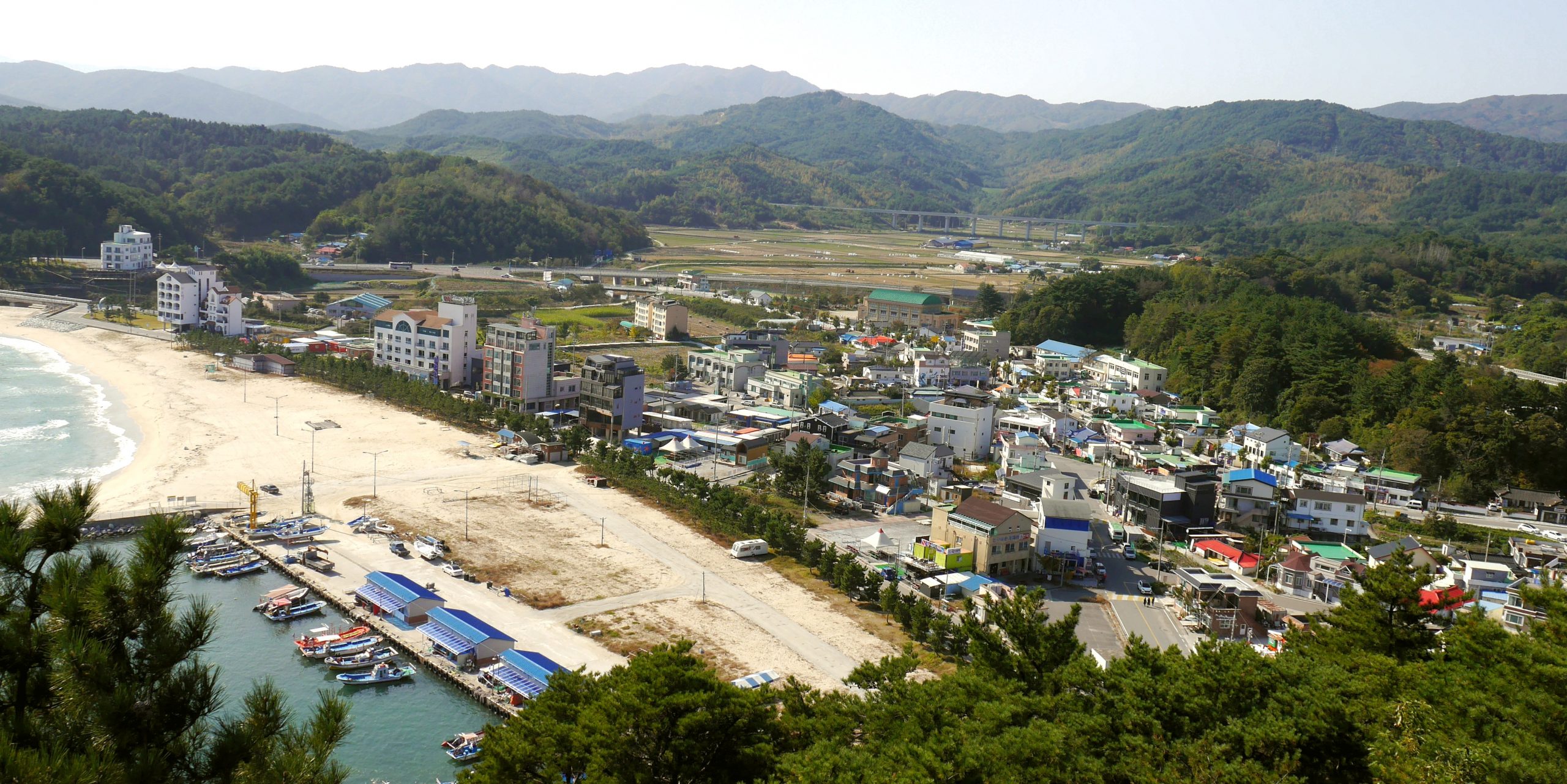
ⓒ EasyKL (CC BY-SA 3.0, Wikimedia Commons)
There is good reason Yangyang became the epicenter of Korean surfing. The East Sea delivers consistent waves, the seabed slopes gently, and the long stretches of white sand create near-ideal conditions.
Surfyy Beach (서피비치) opened in 2015 as Korea’s first dedicated surf beach. Its roughly one-kilometer surf zone accommodates everyone from complete beginners to intermediate surfers, and the strip of surf shops, cafes, and restaurants lining the sand means you can soak up the atmosphere even if you never touch a board. A Surfyy Pass gives access to dedicated sun beds, hammocks, and beanbags.
Jukdo Beach (죽도해수욕장) has shallow water and steady waves, making it a favorite with first-timers. Don’t miss the view from the Jukdojeong (죽도정) observation pavilion. Together with Ingu Beach (인구해변), the corridor from Surfyy Beach through Jukdo to Ingu is known as the Surfing Beach Road (서핑비치로드) — the backbone of Yangyang’s surf culture.
Yangnidan-gil (양리단길) is the trendy street that grew up around the Surfing Beach Road. Named after Seoul’s Gyeongridan-gil (경리단길), it’s packed with cafes, craft-burger joints, boutique shops, and guesthouses — the perfect place to unwind after a session.
Naksan Beach (낙산해수욕장) is a family-friendly classic with a wide sandy shore and gentle waves. It sits within walking distance of Naksansa Temple, so you can combine heritage sightseeing and beachside relaxation in a single day.
Namae Port (남애항) is counted among the three most picturesque harbors in Gangwon-do, and served as a filming location for the Korean movie Gorae Sanyang (고래사냥, “Whale Hunting”). The coastal drive from Susan Port (수산항) to Namae Port takes about 20 minutes and is especially scenic, with fresh seafood available at the harbor.
💡 Local Tip (via “Dadakdadak”‘s Brunch post): Surfing in Yangyang isn’t just a summer thing. Winter surfing (November-February) actually offers bigger waves and emptier beaches — it’s popular with intermediate and advanced surfers. A 5mm+ full wetsuit is essential for winter sessions.
4. Practical Information
Getting to Yangyang from Seoul
- KTX + bus: Take the KTX from Seoul Station or Cheongnyangni Station to Gangneung Station (about 2 hours), then transfer to an intercity or local bus to Yangyang (about 40 minutes). This is the most common public-transit route.
- Express bus: Direct buses run from Seoul’s Dong Seoul Terminal to Yangyang — roughly 2.5 to 3 hours.
- By car: Via the Seoul-Yangyang Expressway, about 2.5 hours. A rental car is the recommended option for reaching Yangyang’s widely spread attractions.
Best Seasons
- Summer (June-August): Peak surf season. Beaches buzz with festivals and energy — Yangyang at its liveliest.
- Autumn (September-November): Osaek Jujeon Valley in full color, pine mushrooms in season, ideal trekking weather on Seoraksan. Late September to early October is the narrow window for fresh pine mushrooms.
- Winter (December-February): The thrill of winter surfing plus snow-covered Seoraksan scenery. A bowl of hwangtae-gukbap tastes even more restorative in the cold.
- Spring (March-May): Cherry blossoms at Naksansa and riverside walks along Namdaecheon. Off-season means lower accommodation prices and quieter attractions.
Where to Stay
- Sol Beach Yangyang (쏠비치 양양, 678 Seonsayujeok-ro, Sonyang-myeon) — Indoor pool, spa, fitness center. Popular with families; the sashimi breakfast is a standout.
- Dignity Hotel (디그니티호텔, 159-5 Ilchul-ro, Yangyang-eup) — A boutique hotel with spa suite rooms and a complimentary wine-and-cheese package.
- Naksan Beach Hotel (낙산비치호텔, 73 Naksansa-ro, Ganghyeon-myeon) — Family-friendly with ondol (온돌, traditional under-floor heated) rooms, a kids’ club, and a seawater sauna. Right on Naksan Beach, so the location is hard to beat.
A Cafe Worth Visiting
- Eoneu Meotjin Nal (어느 멋진 날, “One Fine Day”) — An ocean-view cafe looking straight out to sea. Their signature solsatang latte (솜사탕 라떼, cotton-candy latte) is a crowd favorite. A great stop after surfing or during a coastal-road drive.
Video: “Yangyang cafe and restaurant best picks — ocean-view cafe recommendations” by Unknown
Getting Around Yangyang
Yangyang’s main attractions are spread across a wide area, and public transit alone can be inconvenient. To efficiently visit Surfyy Beach, Jukdo, Naksansa, and Hajodae, a rental car or taxi is recommended. The coastal road from Susan Port to Namae Port doubles as a scenic drive route.
Video: “Yangyang & Sokcho family trip — 3-day itinerary recommendations” by Unknown
5. A City You Will Return To
Yangyang holds too many stories to be captured by surfing alone. The stillness of an East Sea sunrise seen from Uisangdae. The centuries of endurance written into the pine tree on Hajodae’s cliff. The autumn palette pouring through Osaek Jujeon Valley. The life of a fisherman distilled into a single bowl of jjaebokguk. The exhilaration of finding your balance on a wave. Yangyang shows a different face with every season and every visit.
The beaches that spent 40 years closed as military zones have been reborn as surf destinations — and Yangyang is still quietly evolving. It is hard to say you have seen everything Yangyang has to offer in a single trip. If you surfed in summer, come back for autumn trekking. If you only walked the beaches, next time explore the silence of a thousand-year-old temple. Yangyang is a city that will bring you back.
Sources & References
This article was curated from the following Korean-language sources:
Blogs
- “양양 가볼만한곳 여행코스 베스트10” by GoWhere — https://ggowhere.tistory.com/entry/양양-가볼만한곳-여행코스-베스트10
- “양양 맛집 베스트10 추천 2025 플레이스 순위” by Badamun — https://jdblue2022.tistory.com/entry/2025-양양-맛집-베스트10
- “양양군 현지인 블루리본 맛집 양양송이버섯마을 내돈내산” by Jaaui Sinhwa — https://obravomylife.tistory.com/entry/양양군-현지인-블루리본-맛집-양양송이버섯마을-내돈내산
- “서핑만 하기엔 아깝다! 강원도 양양 총정리” by Dadakdadak — https://brunch.co.kr/@519c70e73290480/122
- “주말 드라이브 & 호캉스..청정한 강원도 양양 어때요?” by MyTripLog — https://brunch.co.kr/@mytriplog/2000
Videos
- “Yangyang = Surfing? No! Best 7 things to do in Yangyang besides surfing” — https://www.youtube.com/watch?v=ACKEQkK6F1g
- “Yangyang Naksansa healing trip — must-visit spots with the best views” — https://www.youtube.com/watch?v=236SjrW34-g
- “The hidden baekban restaurants of surf-famous Jukdo, Yangyang” — https://www.youtube.com/watch?v=stkF6RHdW9o
- “Yangyang cafe and restaurant best picks — ocean-view cafe recommendations” — https://www.youtube.com/watch?v=flZt5axFdBg
- “Yangyang & Sokcho family trip — 3-day itinerary recommendations” — https://www.youtube.com/watch?v=FZmMbOCysUM
Images
- Photo by yeojin yun — https://unsplash.com/@seoul_lover_lily (Unsplash License)
- Photo by Clark Gu — https://unsplash.com/@atluminon (Unsplash License)
- Haesugwaneumsang by Choy — Wikimedia Commons (CC BY-SA 4.0)
- Ingu Beach by EasyKL — Wikimedia Commons (CC BY-SA 3.0)
All content has been summarized and adapted for international readers. Original authors retain full copyright of their work.